Cryosphere
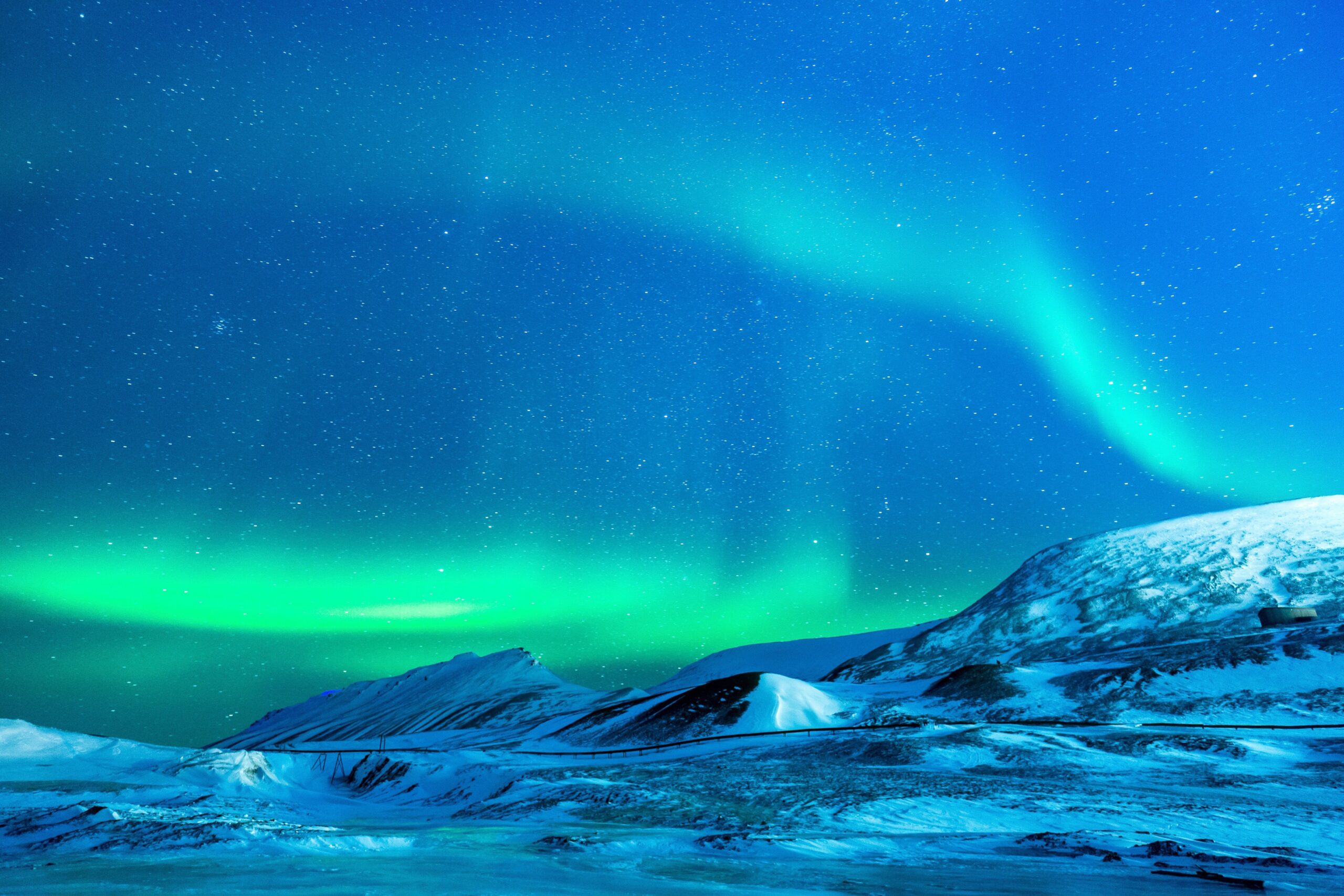
The cryosphere contains all the frozen parts of our planet. This includes ice sheets (like the large one over Greenland), permafrost (frozen soil), glaciers, and snow. Sea ice is one of the most important parts of the Arctic cryosphere, but frozen freshwater (found in icebergs for example) can also be found here.
The age of the oldest Arctic glacial ice is over 100,000 years old. These ice samples are some of the best evidence scientists have to reconstruct Earth’s past climate. The multi-year sea ice (over 4 years old) that accumulates over the pole is much younger than, but is a vital part of the Arctic marine ecosystem.
Snow Cover
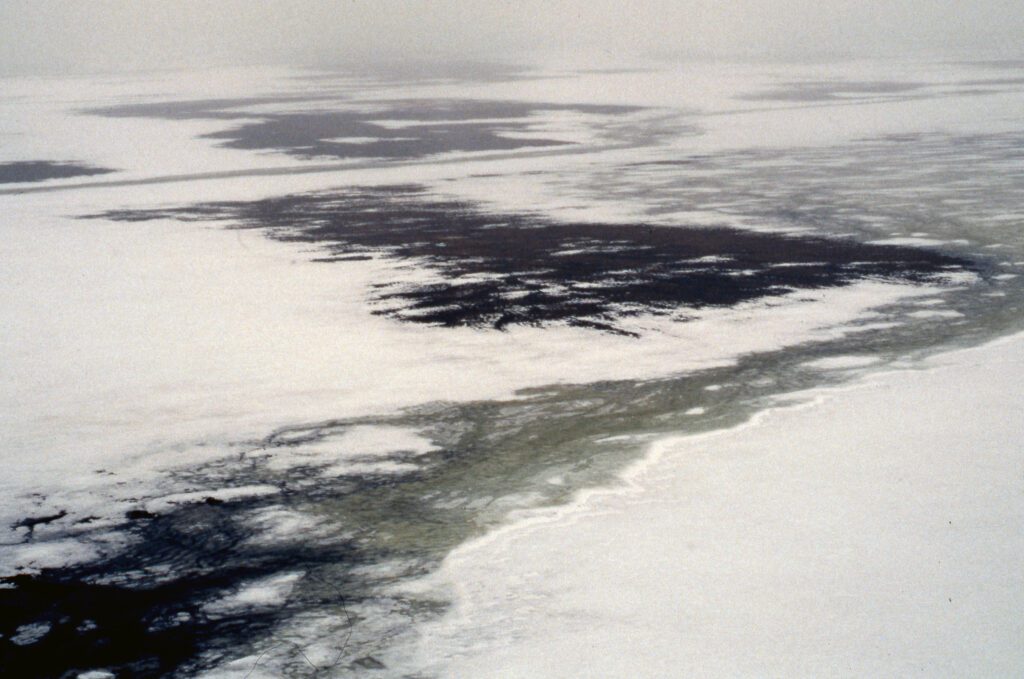
Arctic snow cover plays a pivotal role in the delicate balance of our planet’s climate. As temperatures rise globally, the extent and duration of snow cover in the Arctic are experiencing significant changes. This white blanket not only reflects sunlight, contributing to the cooling of the Earth, but also acts as an insulator for the underlying permafrost. However, the diminishing snow cover poses multifaceted challenges, accelerating the warming trend as darker surfaces, like open water or bare ground, absorb more heat, leading to a feedback loop that exacerbates climate change. The altered snow patterns impact local ecosystems, wildlife habitats, and indigenous communities that rely on seasonal cues from snow cover for hunting and cultural practices.
The decline in Arctic snow cover isn’t merely a regional issue; its repercussions extend globally. Changes in snow cover dynamics influence sea levels, weather patterns, and ocean currents, contributing to the complex web of interconnected climate systems. These alterations have far-reaching consequences, impacting everything from agriculture to the frequency and intensity of extreme weather events worldwide. Addressing the diminishing snow cover demands a concerted global effort, combining scientific research, policy initiatives, and sustainable practices to mitigate the impacts of climate change and preserve the fragile balance of our planet’s ecosystems.
Permafrost
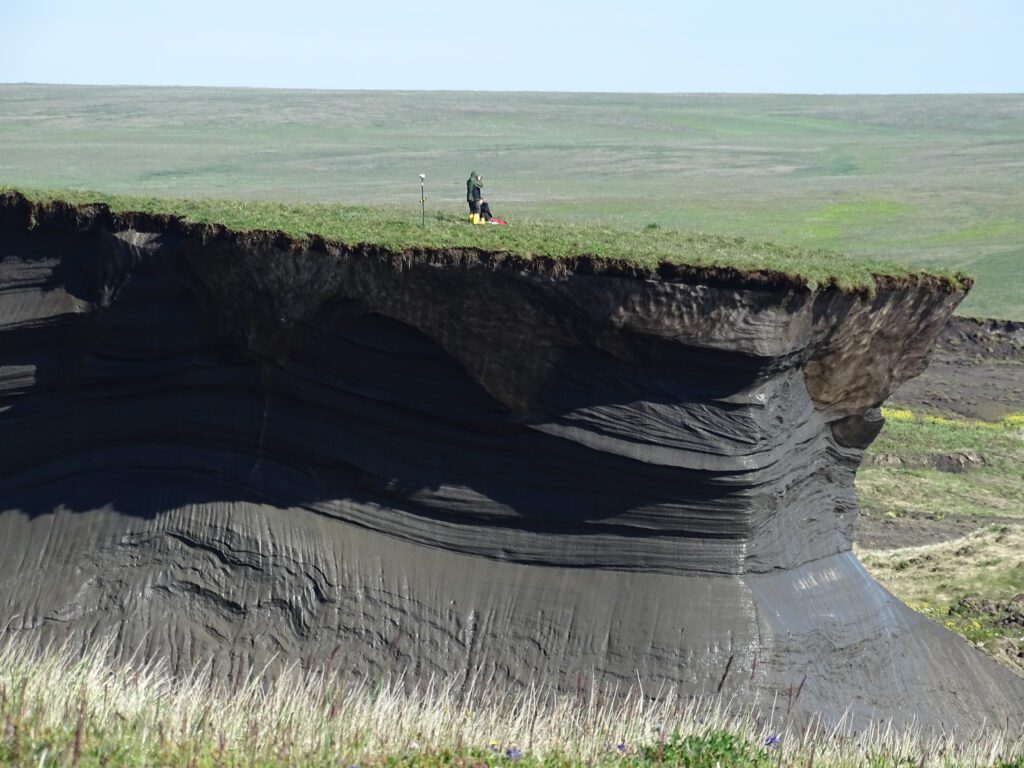
Arctic permafrost, the perennially frozen ground covering vast stretches of the Northern Hemisphere, holds a pivotal role in regulating global climate patterns. This frozen subsurface, composed of soil, rock, and ice, stores immense amounts of carbon—twice as much as currently exists in the atmosphere. However, with rising temperatures, this frozen repository becomes vulnerable. Thawing permafrost releases trapped greenhouse gases like methane and carbon dioxide, intensifying the warming trend and contributing to a feedback loop that accelerates climate change. Beyond this climate impact, thawing permafrost presents a pressing concern for infrastructure built on these stable grounds, causing structural instability and damage to buildings, roads, and pipelines.
The thawing of Arctic permafrost presents a multifaceted challenge that demands immediate attention and proactive solutions. Scientific research into understanding the dynamics of permafrost thaw is crucial, alongside innovative engineering approaches to design resilient infrastructure capable of adapting to changing ground conditions. Additionally, strategies focusing on reducing greenhouse gas emissions are paramount in addressing the root cause of permafrost thaw. Balancing these efforts while collaborating globally is key to mitigating the risks associated with permafrost degradation and its broader implications on the environment and human settlements in the Arctic region.
Sea Ice
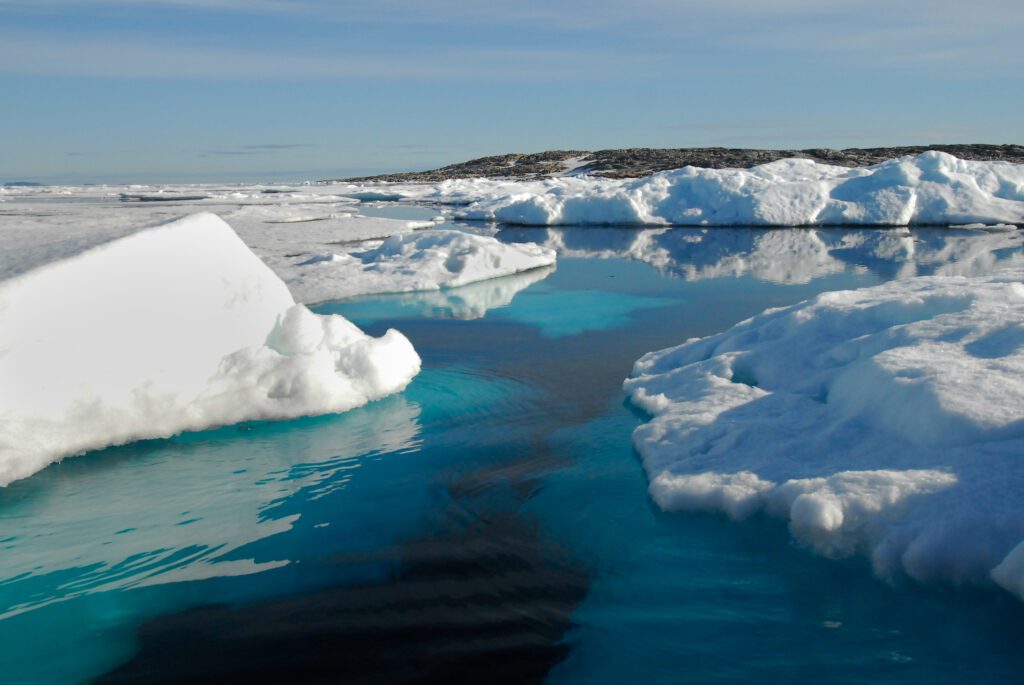
Arctic sea ice stands as a critical component of Earth’s climate system, reflecting sunlight and helping regulate global temperatures. However, in recent decades, the Arctic has been witnessing a drastic decline in its sea ice cover. The extent of summer sea ice has shrunk significantly, leading to thinner ice sheets and a reduction in the overall volume. This alarming trend not only disrupts the delicate balance of regional ecosystems but also impacts global weather patterns and sea levels. As sea ice diminishes, more dark ocean surface is exposed, absorbing heat and contributing to a feedback loop that further accelerates ice melt and climate change.
The loss of Arctic sea ice holds multifaceted consequences. Beyond its direct impact on local wildlife, such as polar bears and seals, the changing ice conditions disrupt traditional livelihoods of indigenous communities and alter marine ecosystems. Moreover, the diminishing sea ice has broader implications for global climate dynamics, influencing weather patterns and ocean currents across the planet. Addressing this issue necessitates comprehensive efforts to curb greenhouse gas emissions, coupled with proactive measures to adapt to the changing Arctic landscape and safeguard its delicate ecosystems while mitigating the broader impacts on our planet’s climate.
Glaciers
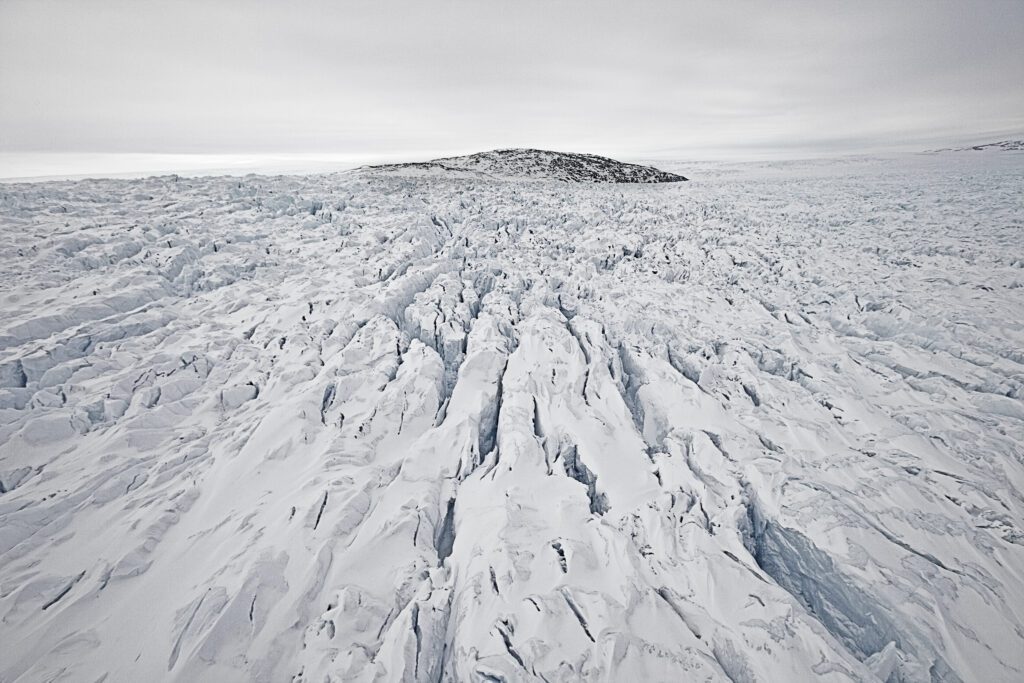
Arctic glaciers stand as timeless guardians of Earth’s history, embodying the planet’s climate evolution. These colossal ice formations, found in Greenland and other Arctic regions, hold within their frozen layers a historical record of past climates spanning thousands of years. However, these ancient ice masses are rapidly retreating due to rising temperatures. The accelerated melting of Arctic glaciers not only contributes to rising sea levels but also releases freshwater into the ocean, impacting global ocean currents and potentially altering weather patterns worldwide. As these glaciers recede, they expose barren landscapes, affecting local ecosystems and biodiversity, while also posing threats to communities reliant on glacial water sources for sustenance and hydropower.
The diminishing Arctic glaciers serve as a stark reminder of the profound impacts of climate change on our planet. Their retreat not only alters the physical landscape but also carries far-reaching consequences for global sea levels, ocean circulation, and regional climates. Preserving these iconic ice formations demands urgent and concerted efforts to mitigate climate change, reduce greenhouse gas emissions, and develop adaptive strategies to mitigate the inevitable repercussions of melting glaciers on both local communities and the broader environment.