Atmosphere
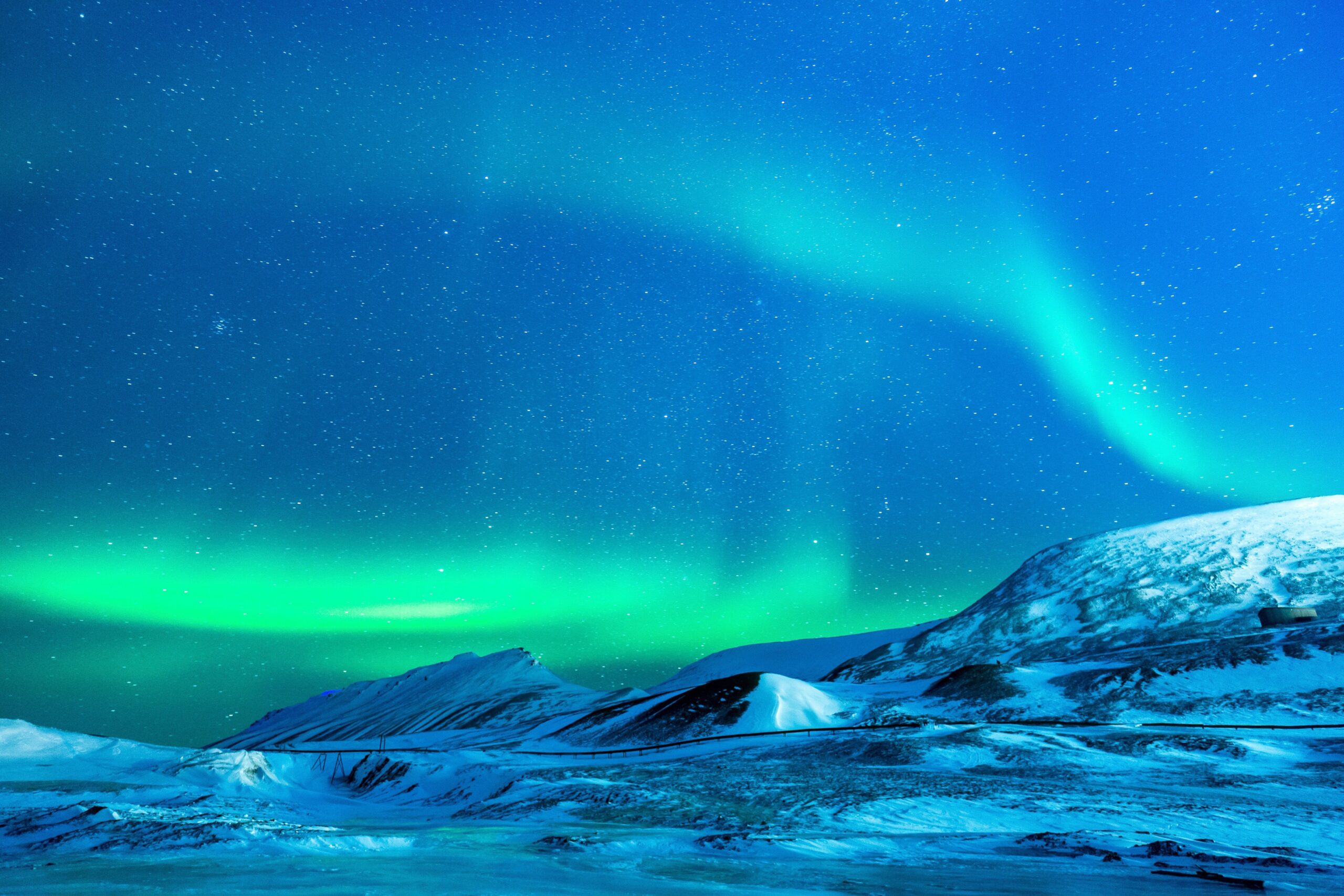
The Arctic atmosphere experiences strong seasonal and decadal cycles. The Arctic Oscillation, a large, predictable climate pattern, varies between bringing warm air father north to Eurasia and bringing more winter storms to North America. Changes in greenhouse gas concentrations like methane are interacting with these natural variations to cause both large and small changes in the Arctic environment.
Precipitation has increased in the Arctic over the past several decades, more than in any other latitude zone. This means that the Arctic is getting both warmer and wetter, and the hydrologic cycle (or water cycle) is accelerating. These changes have important implications for peak river flows, which are happening earlier in the spring in many Arctic rivers, rain-on-snow events, which contribute to further melting, soil moisture.